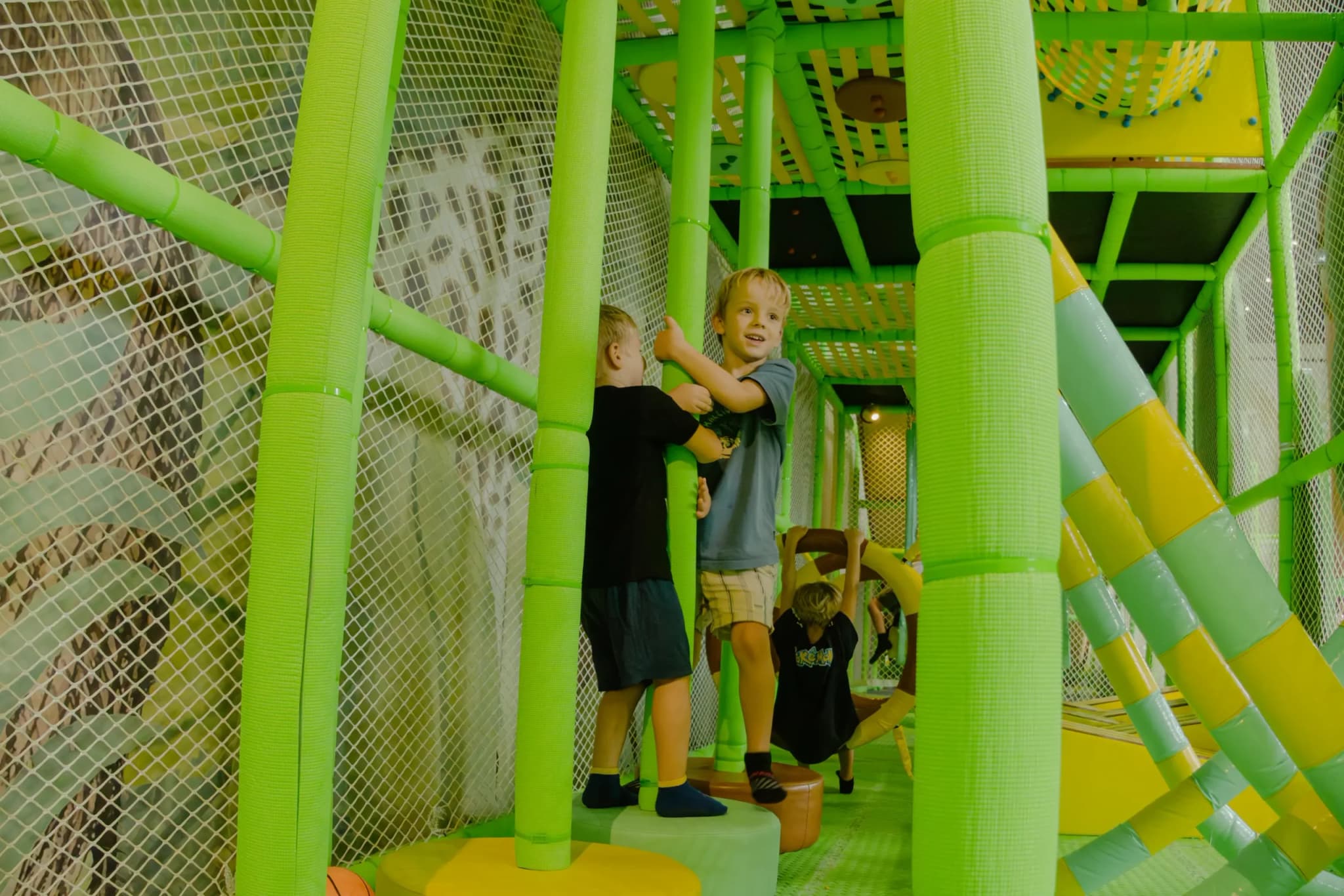
Social-Emotional learning activities play an important role in developing kids’ emotional control. These activities help them share, wait their turn, and calm down when upset, helping them have control over their emotions.
Kids can learn social-emotional skills through everyday play, either on the playground or at home under parents’ supervision. Here are Social-Emotional learning activities that help kids regulate their emotions and develop social skills.
What Social-Emotional Learning Means for Kids
Social-Emotional learning, also known as SEL, is a process of helping kids understand their emotions, build healthy relationships, and make responsible decisions. This learning teaches kids to manage their feelings, communicate with others, and handle everyday social situations.
According to the Collaborative for Academic, Social, and Emotional Learning (CASEL), SEL focuses on five core skills. The core skills include self-awareness, self-management, social awareness, relationship skills, and responsible decision-making, helping kids recognise their emotions, show empathy, and make thoughtful choices.
Playing with parents and other children helps kids develop emotional regulation and learn to cooperate with rules, according to the American Academy of Pediatrics (AAP). Activities such as pretend play and group games allow children to practice sharing, taking turns, and solving problems together.
Social-Emotional Learning Activities You Can Try at the Playground
The playground offers plenty of chances for children to step out of their comfort zones and try something new. It is a place for child development through games and everyday interactions, where kids can learn how to express their emotions, cooperate with others, and overcome social challenges in a fun way.
Sharing and Turn-Taking Games
Some kids’ social skills games allow them to learn sharing and turn-taking while playing with other children. They will be encouraged to take turns on the swings, share toys, or play a game of passing the ball with same-age friends.
These play-based learning activities help children build good habits in managing their emotions, developing patience, and respecting others’ needs. The learning also provides opportunities to practice communication and build positive relationships with peers.
Emotional Regulation Activities for Kids
Emotional regulation activities allow children to recognise, understand, and manage their feelings in different situations. Introduce simple activities such as emotion charades and deep-breathing exercises, then ask kids to describe how they feel after a challenging game.
These activities help kids learn to cope with frustration, calm down when they feel overwhelmed, and express their emotions. Kids can develop better self-awareness and self-control when interacting with friends.
Confidence-Building Activities for Kids
Playground offers plenty of opportunities for children to step out of their comfort zones and try something new. Confidence-building activities for kids like an obstacle course, climbing a playground structure, or balancing on a beam encourage them to challenge themselves.
Working through small challenges gives kids a real sense of achievement and strengthens their belief in what they can do. Parents can nurture this growth by offering encouragement, recognising effort, and letting little ones explore at their own pace.
Kids Social Skills Games for Group Play
Group games are a fun way to help kids develop social skills while interacting with same-age friends at the playground. Toddler activities or activities like hide-and-seek, follow the leader, and group scavenger hunts encourage them to communicate, work together, and follow shared rules.
Cooperative Games With Other Children
Cooperative games focus on encouraging children to work together toward a common goal. Kids can try activities such as building a sandcastle together, completing puzzles, or working as a team to build a tower using blocks.
These activities teach kids to appreciate their peers’ contributions, offer support when someone needs help, and understand the importance of working together. Cooperative games with other children build a sense of working together to solve one problem.
Pretend Play and Role Play
Kids are encouraged to experience pretend play and role play. It allows them to explore their imagination while learning about different social situations, as they pretend to run a restaurant, be a doctor and a patient, or act out everyday scenarios with their friends.
Stepping into different roles helps kids understand other people’s feelings and perspectives, develop empathy, and express their own emotions. These activities also encourage creativity, communication, and cooperation as kids create stories and make decisions together.
How Parents Can Support Social-Emotional Learning During Play
Parents play a key role in nurturing Social-Emotional learning through play, helping kids manage their feelings and practice patience in all kinds of situations. Rather than directing every activity, parents can guide children through their experiences to give them freedom to explore, interact, and solve problems independently.
- Encourage emotional expression: Ask children how they feel during or after playing and help them identify their emotions.
- Model positive social behavior: Demonstrate kindness, patience, empathy, and respectful communication.
- Allow children to solve problems: Give kids opportunities to resolve minor disagreements with their friends before stepping in.
- Appreciate effort over achievement: Acknowledge their efforts to build confidence and encourage them to try new things.
- Encourage social interaction: Support children in making new friends, joining group activities, and including others in their games.
- Validate their feelings: Acknowledge their emotions and gently guide them toward healthy ways of managing frustration or disappointment.
Steady praise and encouragement help kids feel confident in their Social-Emotional skills. Feeling validated gives kids the motivation to keep growing, as they build these skills through a range of learning experiences.
How Play-Based Learning Builds Social and Emotional Skills
Play-based learning helps kids develop social and emotional skills through hands-on experiences and everyday interactions. Kids can explore their emotions, understand rules, and practice positive behaviors in an engaging environment.
For example, children will communicate, cooperate, and understand different perspectives. At the same time, tackling minor hurdles during play teaches kids to handle frustration, bounce back from setbacks, and trust their own abilities.
Common Mistakes When Teaching Social-Emotional Skills
Teaching Social-Emotional skills is not easy. It requires patience, consistency, and understanding of each child’s developmental needs, as parents may unintentionally adopt certain behaviors that limit kids’ opportunities to develop their skills.
- Dismissing children’s emotions: Telling kids to stop crying or not to be upset rather than helping them understand their feelings.
- Solving every problem for them: Intervening too quickly without giving children a chance to resolve minor conflicts independently.
- Forcing social interactions: Pressuring children to join group activities or make friends before they feel comfortable.
- Setting unrealistic expectations: Expecting kids to manage their emotions or demonstrate social skills beyond their developmental abilities.
- Focusing too much on results: Prioritizing winning or completing a game rather than appreciating effort, cooperation, and personal progress.
- Overlooking positive role modeling: Expecting children to demonstrate patience, empathy, and respect without consistently modeling these behaviors.
To avoid these mistakes, parents should create a supportive environment to encourage children to make mistakes. It helps them learn from their experiences and develop Social-Emotional skills at their own pace.
Start With One Playground Activity This Week
Supporting kids’ Social-Emotional development does not involve complicated activities or structured lessons. Start with something simple, such as taking turns on the swings, playing pretend with friends, or completing a group challenge during a playground visit.
Social-Emotional learning can start with something as simple as a single playground activity. Take your children to Mai Main Playground and let them explore fun activities in both the outdoor and indoor playground areas.

