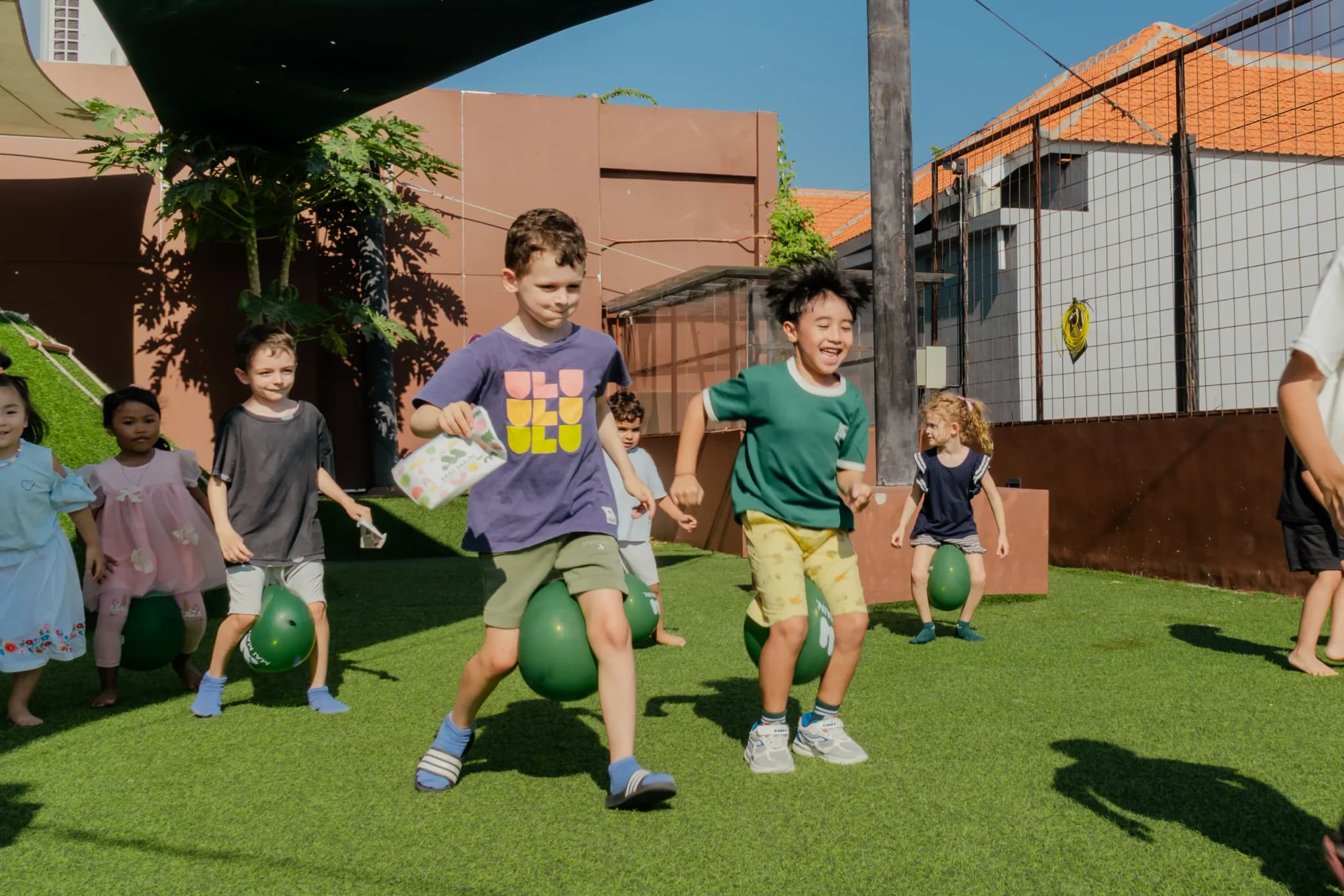
Play-based learning is one of the most effective ways to help your little one learn, as it combines education with play so the process never feels boring. Unlike adults, children generally find it difficult to sit still and stay focused for long periods, whether they’re reading or following specific instructions.
Children naturally prefer to play, and this is exactly why the method works so well. Through play, they absorb new information and skills in a way that feels enjoyable rather than forced. For parents looking for the right approach to teach their children, it’s worth understanding what play-based learning actually involves and why it matters for a child’s development.
What Is Play-Based Learning
Just like the name suggests, this method refers to learning through play, using play-based activities as the core of the learning process for young children. It integrates fun play activities with structured educational goals, creating a positive impact on a child’s growth and development.
Learning Through Everyday Play
Educating children doesn’t always have to happen through formal schooling. Simple activities, such as the games children often play at home, can also be combined with educational elements.
This is exactly the purpose of play-based learning: allowing children to learn through enjoyable play. This method combines fun play activities with structured educational goals, with parents or teachers acting as facilitators who guide and supervise, rather than simply letting children play freely without any direction.
It encourages children to explore their surroundings, experiment, and solve problems naturally, without it feeling like they’re being forced to learn.
Play and Child Development
When heard or read the word “play,” many parents assume it’s simply a way to fill a child’s free time and keep them from getting bored. In reality, play is far more important than that; it’s one of the foundations of child development.
The United Nations Convention on the Rights of the Child states that play is a fundamental right for every child. This activity isn’t just a way to pass the time; it also offers many positive benefits for a child’s development.
According to a clinical report titled The Power of Play: A Pediatric Role in Enhancing Development in Young Children, published in the journal Pediatrics, developmentally appropriate play with parents and peers is a unique opportunity that can promote social-emotional, cognitive, language, and self-regulation skills, which in turn build executive function and a prosocial brain.
The same report also notes that play is not frivolous. It can directly strengthen brain structure and function, while also supporting the formation of safe, stable, and supportive relationships between children and their caregivers, relationships that are essential for optimal development.
How Children Learn Through Play
With all the benefits play offers, children can build life skills that are crucial for their future, while also growing a healthy body and developing strong cognitive and social abilities, a key part of healthy child development.
Here are some of the things children can learn through play:
Building Problem-Solving Skills
Problem-solving is a skill everyone needs, especially as children grow into adulthood. Several types of play can help strengthen this skill in kids.
Simple activities like stacking blocks at home can teach them about gravity, balance, counting, and basic physics.
Other games, such as puzzles and anything that requires strategy, also train children to think abstractly and logically. Through play that involves facing small obstacles, they learn how to look for solutions, bounce back from mistakes, and adapt to new challenges.
Developing Communication and Social Skills
When children play in groups, whether with siblings or peers, at home or at school, they start learning how to share, take turns, and resolve conflicts more fairly, laying the groundwork for strong social skills.
Pretend play, where kids try out different professions or social roles, also helps build empathy and emotional intelligence. Even something as simple as everyday conversation with parents or friends can expand a child’s vocabulary and teach them to read social cues, both of which support stronger communication skills over time.
Encouraging Creativity and Imagination
Imagination and creativity are other areas that grow through play. A simple example is role-play, such as pretending to be a firefighter or taking on other professions, which helps keep a child’s mind active and encourages them to explore different perspectives.
Play that looks a little messy can offer similar benefits, like finger painting or playing with kinetic sand. Activities like these spark a child’s curiosity and give them a way to express the ideas forming in their mind, a natural boost to their creativity.
Learning Through Movement and Exploration
Physical activities like running, jumping, and outdoor exploration also help build spatial awareness, body coordination, and gross motor skills.
For younger children, tummy time and reaching for toys help babies build muscle strength and movement control from an early age. Sensory activities, meanwhile, help improve fine motor control and teach children about cause and effect.
Simple Play-Based Learning Activities for Kids
If parents want to start introducing play activities that genuinely benefit their child’s development, here are some play-based learning activities worth trying:
Pretend Play
Simple activities that require little effort or cost, like pretend play, can actually offer remarkable benefits for building a child’s imagination and creativity. Pretend play involves make-believe or role-play, where children use their imagination to mimic real-life events or create entirely new stories.
Some examples include playing house, doctor, or shopkeeper. Simple as it sounds, a qualitative study found that pretend play helps develop children’s creativity, particularly across three types of play: isolated play, associative play, and cooperative play.
Beyond creativity, this type of play also helps children build social skills, such as learning to share, cooperate in groups, and take turns. It also encourages them to try out new words while communicating with friends or adults, and helps them recognize other people’s feelings through the roles they play.
Building and Construction Games
Building and construction games are another type of educational play that offers benefits for physical development, creativity, and problem-solving. Examples include building with blocks, Lego, or similar toys.
This type of play invites children to assemble, build, and operate vehicles or structures. In doing so, they get used to imagining and designing different shapes, while also training their fine motor skills and hand-eye coordination as they hold, stack, and control objects.
Children will also try to figure out how to make their structures sturdy and functional, which naturally encourages critical thinking and problem-solving.
Sensory and Sand Play
Sensory play is a fun activity that stimulates a child’s five senses: touch, sight, hearing, smell, and taste. One example of sensory play is sand play, which uses sand as a medium to train motor skills and creativity.
This kind of play can help support brain and nerve development, train both fine and gross motor skills, improve concentration, and help children manage their emotions. Besides sand play, other simple sensory activities include squeezing a water-soaked sponge during bath time, smelling different spices, or listening to simple sounds.
Games With Other Children
If parents want to support their child’s social skills, empathy, and emotional development, playing with other children nearby is one of the best ways to do it.
Playing with friends helps children learn how to interact, speak up, and listen to others. It also helps them start to understand their friends’ perspectives and navigate the differences between one another.
When playing with others, children also learn patience, how to wait their turn, and how to handle small conflicts or situations. Over time, this helps them feel more independent and confident about expressing themselves.
Creating More Opportunities for Learning Through Play
To create more opportunities for children to learn through play, parents can encourage a few key habits, including:
Let Children Explore
Let your child freely explore their surroundings without too much direction. Give them the space and time to try new things, touch different textures, or figure out how something works in their own way.
The more opportunities parents give their child to explore, the greater the chance they have to learn through direct, hands-on experience.
Ask Questions Instead of Giving Answers
Instead of jumping in with the answer whenever your child faces a challenge during play, try encouraging their curiosity by asking questions instead.
For example, if your child is stacking blocks and the tower falls because of a small mistake, you could ask, “Why do you think the blocks fell over?” or “What do you think we should try next so it doesn’t fall again?” Simple questions like these help children think critically and find their own solutions, rather than relying entirely on answers from their parents.
Offer Different Types of Play
Every type of play offers different benefits, and every child is also at a different age that calls for different kinds of play. A variety of play types can support more well-rounded development, so try offering more than just one type, such as play that builds physical skills, play that nurtures imagination and creativity, and so on. With a wider range of play, children can develop many different skills through diverse experiences.
Make Play Part of Everyday Life
Play doesn’t always have to be a planned activity. You can also weave it into your family’s daily routine. For example, tidying up toys can become a color-matching game, or you can turn climbing the stairs into a simple counting activity.
By bringing elements of play into everyday moments, children keep learning without ever feeling like it’s a boring lesson.
Let Kids Learn Through Play
Play-based learning doesn’t have to be about a clear academic goal to help children stand out at school. This type of play can help children learn through curiosity, exploration, movement, interaction, creativity, and everyday experiences.
To make learning through play even more enjoyable, you can bring your little one to Mai Main Playground in Bali. Here, kids can pick up so many things that positively shape their development through all the exciting rides and activities available. Plan your visit now.

