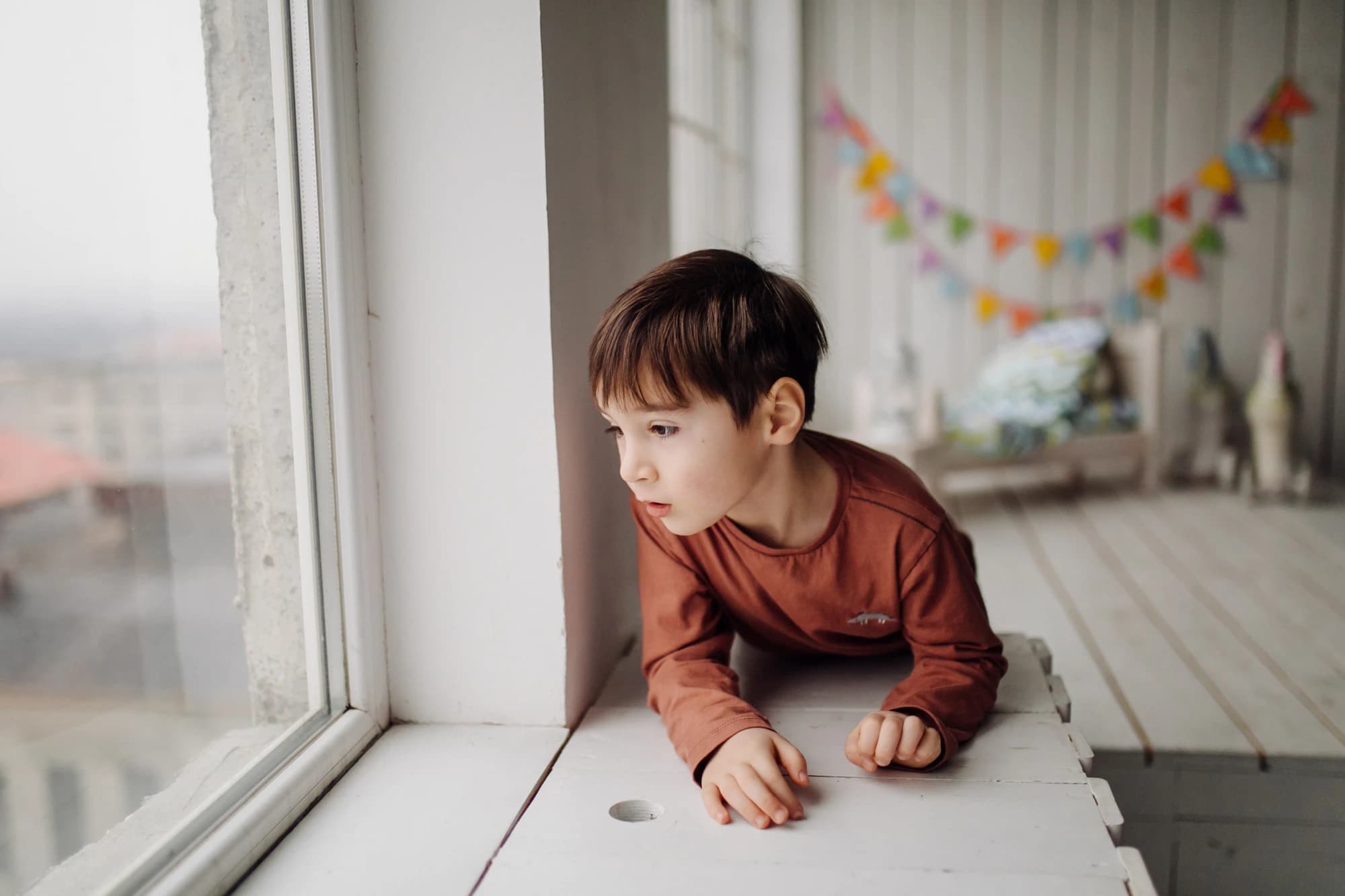
As a parent, you may get confused when kids are bored. Usually, you will give them a gadget, turn on the TV, or even find them activities, while in fact kids need to be bored to learn how to solve boredom.
This article will discuss how boredom is good for kids based on research. You will also find the benefits of boredom for kids’ growth, which helps you understand how kids need to be bored for their long-term development.
Is It Good for Kids to Be Bored?
Boredom is a normal emotion that humans experience in daily life, including kids. You should let kids be bored, as it is a part of their growth, so they have a chance to decide for themselves what to do next.
The PubMed article claims that children’s creativity is stimulated by boredom. Psychologically, boredom is a signal that encourages children to abandon their routine activities in search of novel experiences.
Experiencing boredom encourages creativity, imagination, and independence. They will learn what they need to do to overcome boredom, enhancing their problem-solving skills brick by brick, which truly benefits them.
However, boredom works best in moderation. Kids still need attention, social interaction, physical activity, and age-appropriate stimulation, as the goal is to give them some unstructured free time and enable them to create their own play.
So, is it good for a child to be bored? The answer is yes. In short, being bored can be good for them because it teaches them how to create their own joy through imagination and become more independent.
Common Mistakes Parents Make When Kids Say “I’m Bored”
After understanding why boredom is good for your child, you also need to know common mistakes parents make. These mistakes often happen when kids say ‘I’m bored’ during downtime or repetitive routines.
You often feel that you need to fix the problem immediately. But boredom does not always need a solution, because sometimes it is an opportunity for kids to figure out activities that entertain them again.
One common mistake you may often make is offering a screen right away. Phones, tablets, or TV can quickly solve boredom, but relying heavily on electronics makes it harder for kids to become comfortable with slower, unstructured moments.
Planning an activity for the kid when they complain is another common mistake parents make when kids are bored. You may suggest games, crafts, or outings that make kids think the adults are responsible for keeping them entertained.
You may also overfill your kids’ schedule with lessons, sports, playdates, and other activities. This happens because you worry that free time is being wasted, while in reality, it benefits them to have unscheduled time to play, imagine, rest, and explore at their own pace.
It is also helpful not to treat boredom as bad behavior. Complaining about it is normal, especially when kids are still learning to manage their free time, so giving them a little time to come up with ideas can support their independence and creativity.
What to Do When Kids Are Bored?
If you are wondering, “What to do when kids are bored?” the answer is simple. Never give them quick problem-solving activities, such as giving them screen time, filling their days with many classes, or even planning structured activities.
When kids say they are bored, the goal does not have to be finding entertainment for them immediately. A better approach is to give kids a little guidance, then leave enough space for them to choose what to do.
You can start with offering a few simple possibilities instead of a long list. It helps kids draw, read, build with blocks, play outside, make a puzzle, or even help prepare food for a small craft project, which encourages them to make their own choices.
To overcome this challenge, you can create a “boredom box” filled with easy activity ideas written on cards. It can be filled with suggestions, such as building a blanket fort, making a paper airplane, creating a treasure hunt, watering plants, or drawing a comic.
In addition to several activities, doing nothing for a while is also completely fine. Kids do not need every free moment filled, as you can give them unstructured time to develop creativity, patience, independence, and the ability to entertain themselves.
Fun Activities for Kids at Home and Outdoors
There are plenty of fun activities for kids at home. Simple activities often work best, such as drawing, painting, making paper crafts, building with blocks, completing puzzles, reading books, or creating their own pretend play.
You can also accompany them to play games that are team-based. Baking together, building a blanket fort, doing science experiments, or having a family board-game session are fun to do with kids at home.
Outdoor activities are also a great way to solve kids’ boredom. It gives them more space to move and explore, as they can ride bikes, play with a ball, fly a kite, draw with sidewalk chalk, go on a nature walk, help with gardening, or organize a simple scavenger hunt.
These are all fun activities that do not always need to be highly planned. You should give children a few ideas and let them choose their next move to solve boredom at home or outdoors, encouraging independence and imagination.
Conclusion
Understanding that kids need to be bored benefits you and your kids. It encourages kids’ creativity, as they get plenty of time to choose their next move to solve boredom during daily activities.
If you’re looking for something beyond activities at home, you can take your kids to Mai Main Playground Bali. It is a place for kids to explore activities, encouraging them to polish their creativity and social skills with friends of the same age.
References:
https://pubmed.ncbi.nlm.nih.gov/25379249/

