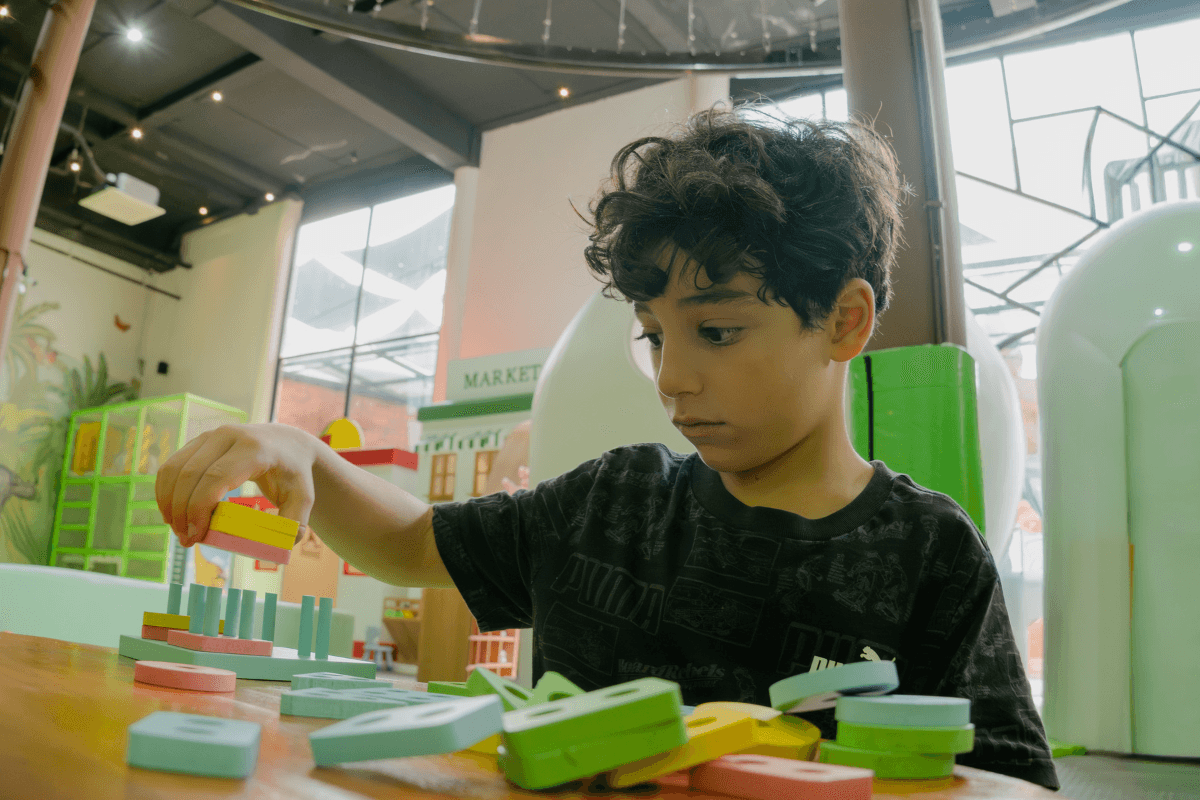
Sensory play for toddlers can be surprisingly simple, even when it looks like your child is just playing with their food. If your little one prefers squishing, grabbing, or scattering rice instead of eating it, they may actually be exploring different textures and sensory experiences.
While these messy moments can be frustrating for parents, they actually play an important role in supporting your child’s sensory development. In this article, we’ll explore the benefits of sensory play for toddlers and share easy activities you can try at home.
What Is Sensory Play?

Sensory play activities are designed to stimulate a child’s senses and support their overall development. These activities engage the five main senses, including touch, hearing, sight, smell, and taste, and also help children develop balance and body awareness through movement.
So, how is it different from regular play? Unlike activities that focus mainly on entertainment, sensory play encourages children to learn through hands-on exploration and sensory experiences. By engaging different senses, sensory play helps strengthen neural connections in the brain and supports motor, cognitive, social, and emotional development.
The Benefits of Sensory Play for Toddlers

As an educational activity, sensory play offers a wide range of benefits that support your child’s growth and development. Here are some of the key benefits of sensory play for toddlers:
- Supports Brain Development: Sensory play helps stimulate the formation of neural connections in the brain, which can improve memory, problem-solving skills, and overall cognitive development.
- Develops Fine Motor Skills: Activities such as squeezing, pinching, scooping, and pouring help strengthen hand muscles and improve hand-eye coordination. These skills are essential for everyday tasks such as writing, buttoning clothes, and using utensils later in life.
- Encourages Language Development: Through sensory exploration, children are exposed to new experiences that help expand their vocabulary. They learn to describe different textures, colors, smells, and sensations, supporting their communication skills.
- Improves Focus and Self-Regulation: Sensory activities can help children channel their energy in a positive way, making it easier for them to concentrate, stay engaged, and feel calmer during activities.
- Boosts Creativity and Imagination: Sensory play encourages open-ended exploration, allowing children to experiment, create, and use their imagination freely. This helps develop creative thinking and confidence in trying new ideas.
Best Sensory Play Activities for Toddlers (By Age)

If you’re looking for simple activities to support your child’s sensory development, there are plenty of sensory play ideas you can try at home or outdoors. These activities can be adapted to your child’s age and interests, making learning both fun and engaging.
Here are some sensory bin ideas for toddlers that are easy to set up and enjoyable to explore:
Sensory Play for 12–18 Month Olds
For children between 12 and 18 months old, simple tactile play activities are often the best way to introduce sensory play. Activities such as water play, messy play, and texture exploration can help stimulate their senses while keeping them engaged and entertained.
1. Edible Finger Paint
One of the easiest water play activities for toddlers is edible finger painting. Simply fill a few bowls with yogurt mixed with child-safe food coloring, then let your little one paint on cardboard, paper, or other surfaces using their fingers.
Besides being fun, this activity helps develop fine motor skills, encourages creativity, and introduces the concept of cause and effect. Since the materials are edible, parents can also feel more at ease if their child decides to taste them.
2. Simple Water Play
Besides edible finger painting, you can also introduce your toddler to simple water play activities. Water is one of the easiest sensory materials to set up at home and can provide hours of fun while supporting early development.
Some simple water play ideas include encouraging your child to transfer water using a sponge or filling a shallow tray with water and adding floating toys for them to explore. Through these activities, children can learn about temperature, texture, and cause-and-effect while developing their fine motor skills and hand-eye coordination.
Sensory Play for 18–24 Month Olds
As your child reaches 18 to 24 months old, you can introduce more engaging sensory activities that support their development. At this stage, toddlers are strengthening their fine motor skills, problem-solving abilities, creativity, and independence through hands-on exploration.
1. Play Dough
If you are looking for indoor sensory activities for 1–3 year olds, play dough is a great option to try. You can make homemade play dough using simple ingredients or purchase a child-safe version from a toy store, allowing your little one to explore its soft, stretchy, and moldable texture through hands-on play.
Playing with play dough helps strengthen the small muscles in the hands and fingers, supporting fine motor development. It also improves hand-eye coordination, encourages creativity, develops problem-solving skills, and provides a calming way for children to express emotions.
2. Squish Bags
Squish bags are a simple, mess-free sensory activity that toddlers love. Fill a sturdy zip-lock bag with hair gel, shaving cream, or water beads, then add colorful items such as pom-poms, sequins, or large beads.
Seal the bag securely and let your child press, squeeze, and move the contents around to explore different visual and tactile sensations.
3. Colored Ice Cube Art
If you’re looking for sensory play ideas with household items, colored ice cubes are a simple activity you can easily make at home. Just fill an ice cube tray with water, add a few drops of food coloring, and freeze until solid.
On a warm day, take the colored ice cubes outside and place a large sheet of paper on the ground. Encourage your child to draw and paint using the melting ice cubes. This fun sensory activity helps children explore colors and temperature while also strengthening their fine motor skills through hands-on play.
4. Water or Sand Tables
Water or sand tables are a great sensory play activity for toddlers who are beginning to explore different textures and materials. These tables are specially designed to hold water, sand, or other sensory materials, creating a dedicated space for hands-on learning and play.
You can fill the table with water, sand, pebbles, or other child-safe materials and add accessories such as buckets, scoops, funnels, water wheels, and toy boats. As children pour, scoop, mix, and transfer materials from one place to another, they develop fine motor skills, sensory awareness, hand-eye coordination, and an early understanding of cause and effect.
5. Mud Kitchen
If you’re looking for an outdoor sensory activity, a mud kitchen is a fun and creative option. This classic play experience allows children to pretend they are cooking using soil, water, leaves, flowers, and other natural materials found outdoors.
Although it can get messy, mud play offers valuable sensory benefits for toddlers. It stimulates multiple senses, especially touch, sight, and smell, while encouraging creativity, imagination, and direct exploration of the natural environment around them
Sensory Play for 2–3 Year Olds
By the age of 2 to 3 years, sensory play activities can become more complex while still remaining purposeful and developmentally appropriate. At this stage, children are beginning to engage multiple senses at the same time and have better control over their fine motor skills.
1. Sensory bins with rice/pasta
Taste-safe sensory bins are a great messy play activity for toddlers. Fill a container with safe materials such as rice, pasta, cooked oatmeal, or other child-friendly textures. Hide a few favorite toys inside and encourage your child to search for them as they explore different textures with their hands.
2. Cloud dough
Cloud dough is made by mixing flour with baby oil to create a soft and moldable texture. Children can squeeze, shape, and mold the dough freely, allowing them to explore different textures while developing creativity and fine motor skills.
3. Foam play
Foam play is a simple sensory activity that allows toddlers to explore soft and fluffy textures through hands-on play. You can use child-safe foam products, such as colorful bath foam or sensory foam, and encourage your little one to squeeze, press, spread, and shape it in different ways.
This activity helps children explore textures while also introducing colors and creative play. Foam play can support sensory development, strengthen fine motor skills, and provide a calming experience as children focus on squishing and manipulating the foam.
4. Nature sensory walks
Looking for a more immersive outdoor sensory activity? Try taking your toddler on a nature sensory walk and encourage them to explore different surfaces with their feet under close supervision.
Walking on grass, soil, sand, pebbles, or other safe natural surfaces allows children to experience a variety of textures firsthand. This activity stimulates multiple senses, supports sensory development, and helps children build a stronger connection with the natural world around them.
Stimulate Kids Development with Sensory Play

Sensory play is a fun activity that offers tremendous benefits for your child’s growth, especially for brain development. Through different textures, temperatures, and sensory experiences, your child can develop their senses, balance, and body awareness while learning to process information, improve focus, regulate emotions, and strengthen motor skills.
If you’d like to introduce your child to more structured and purposeful sensory play experiences in Bali, be sure to visit Mai Main Playground Canggu. Here, your little one can explore a wide variety of sensory activities designed to support learning, creativity, and overall growth in a fun and engaging environment.
FAQs about Sensory Play for Kids

1. What age is best for sensory play?
Sensory play has no age limit, and its benefits can last a lifetime. You can start introducing sensory play to your child at an early stage, but make sure the activities and materials are suitable for your child’s age.
2. Is sensory play safe for babies under 12 months?
Sensory play is generally safe for babies under 12 months old, as long as you provide materials that are safe, clean, and used under close supervision. At this age, babies often put objects into their mouths as part of the oral stage, so it’s important to make sure the materials are non-toxic and do not pose a choking hazard.
3. What are examples of sensory activities for toddlers?
There are many sensory play activities you can introduce to toddlers to help develop their senses, support brain development, strengthen fine motor skills, and improve focus. Simple examples include texture play using edible materials such as rice or pasta. You can also encourage your little one to explore different textures in nature by walking barefoot on safe surfaces such as grass, sand, or soil. These activities allow children to experience a variety of sensory inputs through hands-on exploration.
4. How do I make a sensory bin at home?
It’s very easy to set up. Simply prepare a storage tub or bin and fill it with child-safe tactile materials such as dry rice, beans, pasta, or other sensory-friendly items. Hide a few small toys inside and provide tools such as spoons, scoops, or plastic cups for your little one to search for them. This activity is simple, fun, and encourages sensory exploration.
5. Does sensory play help with speech development?
Yes, sensory play can be an effective, engaging, and enjoyable way to support your child’s speech development. These activities provide rich, hands-on experiences that help children learn new vocabulary, improve communication skills, and strengthen the brain connections needed for language development.
6. How often should toddlers do sensory play?
The ideal frequency for sensory play is one to three times a day, with each session lasting around 10 to 15 minutes. This frequency is generally recommended to provide optimal stimulation for your child’s brain without causing overstimulation or fatigue.

