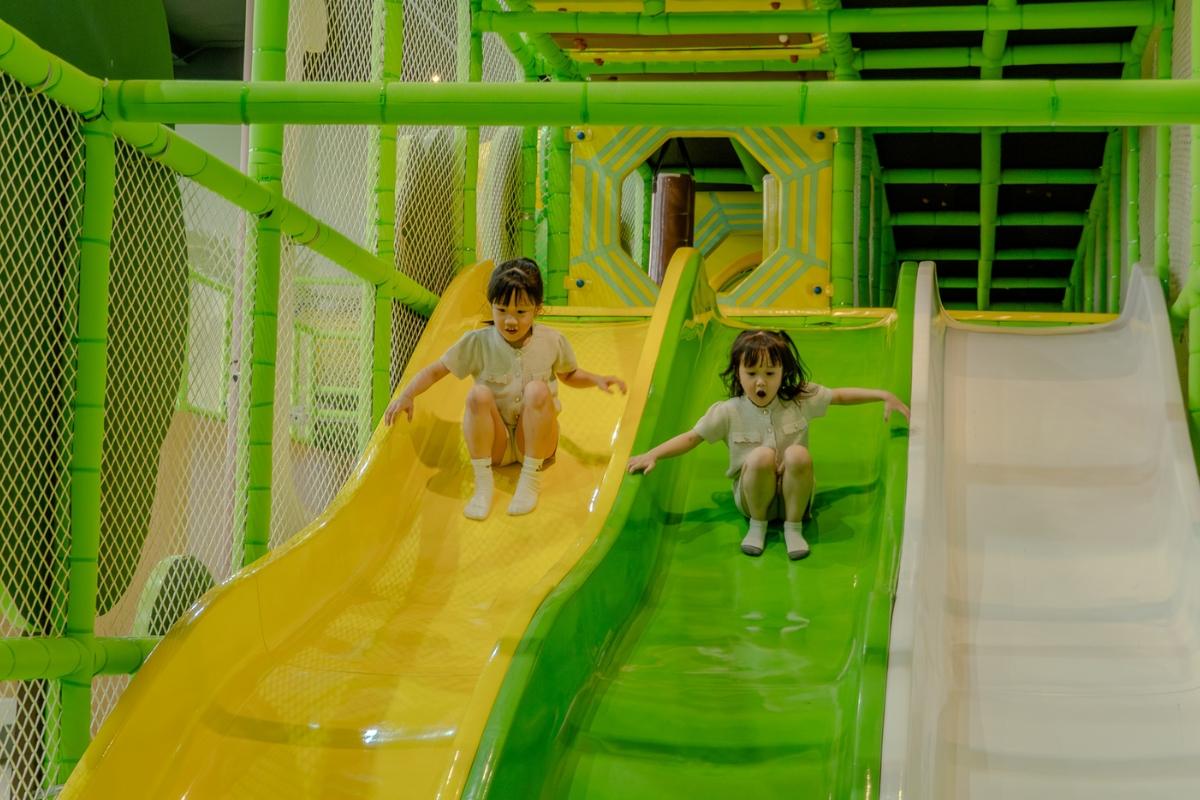
Parents sometimes will feel confused with ‘Which activity is best for kids?’, which can help the kids grow well over time. In fact, there are many engaging learning activities to improve their skills in society.
Educational activities are also fun, so parents should learn more to guide their children in activities that build skills across all areas of life. Here is the explanation to answer the question, “What are the best activities for kids?”
Top Developmental Activities for Kids
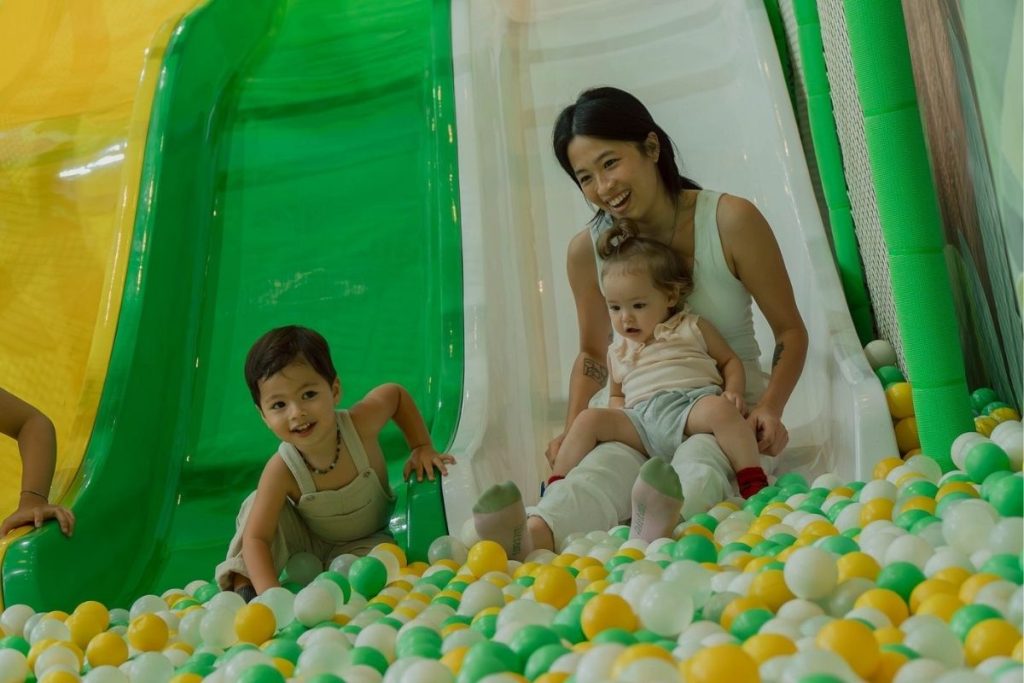
Play has become a major way for children to learn about the world and themselves. It allows many parents to allow their children to play, helping prevent stunted growth. They will always do their best to help their children grow with adequate facilities, so they will have a smooth journey in infancy.
Allowing kids to engage in targeted activities on the playground helps them build brains, bodies, and social skills in pure fun. It will not make them bored while growing, as they can meet other kids while developing skills. That is one of the advantages of a playground for them.
Parents can invite their children to play with five developmental activities that bring so much joy and fun to help answer the question, “Which activity is best for kids?”
1. Cognitive Development
Through cognitive development activities, children will better understand the causes and effects of an issue. They will learn to solve in-game problems, improving their skills in addressing real-life challenges. Cognitive development can also improve their memory, as the game requires them to play in detail.
Here is the list of cognitive development to play:
- Hide-and-Seek or Treasure Hunts: Playing this game in the neighbourhood or at the playground helps younger children understand “object permanence” and teaches older children to follow all clues and use deductive reasoning.
- Building Blocks and LEGOs: It has become one of the most fun activities because the game allows them to stack and build blocks. This activity teaches kids about spatial awareness, basic physics, and mathematical concepts.
- Puzzles: Parents should select age-appropriate puzzles to maximise their children’s visual-spatial reasoning skills. This game allows children to use logic to reach a goal, as the puzzle is arranged neatly.
- Sorting and Matching Games: This game teaches children to sort items such as laundry, buttons, or coloured toys by size, colour, or shape. It builds math logic and organizational skills.
2. Physical Development
This kind of activity is divided into two categories: gross motor (big muscles) and fine motor (small muscles, which are:
- Dancing and “Freeze Dance”: There are many activities for toddlers on the playground, including dancing and freeze dance. This game’s purpose is to improve their cardiovascular health and rhythm using music. Kids should also ‘freeze’ when the music stops, teaching them body control and self-regulation for gross motor movements.
- Obstacle Courses: Parents can ask their children to complete all obstacles by setting up pillows to jump over, tunnels to crawl through, and tape lines to balance. It becomes one of the fun learning activities for kids in improving gross motor skills.
- Play-Doh and clay: The ideal creative activities for 3-5-year-olds. The game requires them to squish, roll, and pinch clay to strengthen their tiny hands and finger muscles (fine motor skills), helping them write when they grow up.
- Threading and Lacing: They can learn to string large beads or dry pasta onto a shoelace, improving hand-eye coordination. It has become one of the best educational activities.
3. Language and Communication
To answer ‘which activity is best for kids’, parents can try to teach children language and communication skills. These fun learning activities will help kids to build vocabulary, learn sentence structure, and understand how to express their thoughts and feelings. Let’s discover three ways to learn language and communication through:
- Narrating Today’s Occurrence: Parents possess the ability to talk out softly about what they are doing, for example, “I am preparing dinner right now”, exposing children to new vocabulary and conversational phrasing.
- Reading Storytelling: Reading is the gold standard for infants’ language development. Asking questions such as ‘Where is the dog?’ will turn reading into an active conversation for both parties, making learning more engaging.
- Singing and Nursery Rhymes: Playing with the repetition of musical rhythms in the playground helps children hear the distinct voice and make up words, which is crucial for pre-literacy skills and makes for effective creative activities for 3-5-year-olds.
4. Social Emotional Development
Kids can also play to develop their social skills through Social Emotional Development. This has become one of the fun activities. It teaches them to interact with others, process their emotions and feelings, and develop empathy. Parents can guide the children to play this kind of developmental activity through:
- Emotion Charades: Parents make different facial expressions, starting with happy, sad, angry, and surprised. It will help the child recognise emotions, learn to read facial expressions, and develop emotional intelligence as they interact with others.
- Role Playing: Through role-play, parents facilitate a safe space for children to practice social interactions and process life scenarios. This interactive approach not only builds essential social skills but also strengthens the emotional bond through shared enjoyment.
- Turn-Taking Board Games: An alternative game for parents asking, “Which activity is best for kids?” This activity involves games such as Candy Land or Ladders, teaching them how to follow rules, and wait their turn to move a pawn. Through this game, they can also learn to handle the frustration of losing.
5. Sensory Play
Sensory play is widely used as an educational activity for children because babies and toddlers must learn about textures. This game helps build nerve connections in the brain. Parents can use these two fun learning activities, including:
- Messy Art: Through this game, parents will let their children get their hands dirty with non-toxic paint. It will stimulate the tactile senses, enabling them to express themselves creatively through abstract paintings.
- Sensory Bins: Parents can fill a shallow tub with water, dry rice, beans, or kinetic sand, allowing children to explore a range of textures and volumes. It will sharpen their tactile sense over time.
All the items on the list above have answered the question, “Which activity is best for kids?” Parents need to understand the benefits of children being active in society.
The Advantage of Kids Being Active

Parents are not allowed to limit kids’ activities as long as they are happy. This is because the benefits of children’s physical activity benefit both parties. Kids will avoid slow growth if they are completely active.
They can gradually mature, stepping out of their comfort zone and exploring new things through engaging learning activities for kids. Encouraging them to be active every day will help them to stay healthy, both physically and mentally.
Here is the breakdown for the advantage of kids being active for parents to pay attention:
1. Mental and Emotional Well-Being
The fun activities mentioned above can help children maintain their mental and emotional well-being. Physical activity triggers endorphins, which are the brain’s feel-good chemicals, to spread around the body, relieving stress and elevating moods. Children will feel positive about their growth.
Through engaging activities for kids, they can master a new physical skill or improve their intelligence by understanding logical reasoning. It gives them a concrete sense of accomplishment and confidence.
Actively engaging in fun learning activities for kids also helps them learn to regulate their emotions. The activity provides a healthy, constructive outlet for releasing energy, frustration, and restlessness.
2. Cognitive and Academic Growth
Building blocks and sorting puzzles help the brain perform better in school. Cognitive games will improve focus and attention, enhance concentration, and sharpen kids’ memories. It helps them stay focused in school.
The game also enhanced brain structure because exercise stimulates the growth of new brain cells. It also excites neural connections, particularly in areas related to learning and memory.
As educational activities for kids, cognitive development games help them enhance logical thinking and improve problem-solving. The game requires quick thinking, strategy, and adaptability, strengthening critical thinking skills.
3. Social Skills and Character Building
Creative activities for 3-5-year-old children foster togetherness, as they socialise with peers of the same age. Group games will build teamwork and cooperation skills by working alongside others toward a common goal, sharing responsibilities, and supporting peers.
Disagreements during unstructured active play, such as playground games, are inevitable. Parents can use this moment to teach their children how to negotiate, compromise, and forgive one another. The sense of conflict resolution will increase rapidly, helping children understand what it means to be an empathetic individual.
Those are all the advantages of kids being active. To help them grow more effectively, parents can implement the 777 rule for children, which has gained popularity recently.
The rule is parted into three steps, starting with the first 7 years (0-7), which is the Bonding Years. Through this step, parents should build a strong attachment so children feel safe, receive affection and physical closeness, and experience consistent love.
For the next step, parents need to do the Second 7 years (7-14), which is the Teaching Years. Parents can teach children to be responsible, set boundaries, and make smart decisions.
Last but not least, parents can take the final step: the Third 7 years (14-21), the Coaching Years. In this phase, teenagers do not want a boss, but they need a mentor. Parents can serve as mentors, giving teenagers greater independence, offering advice, supporting their individuality, and helping them prepare for adulthood.
Mai Main Playground Helps Kids Stay Active
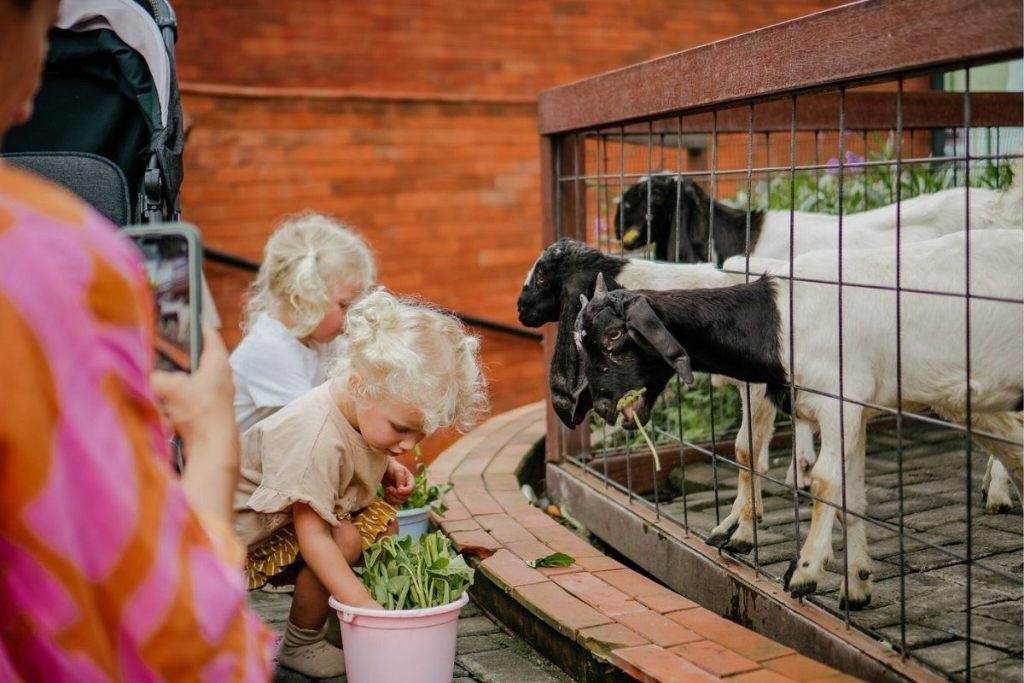
Mai Main stands out as the largest and most comprehensive playground in Canggu. Parents can solve the inquiry, “Which activity is best for kids?” by visiting the playground. From Canggu to Denpasar, Mai Main helps children to grow and gives parents a chance to relax.
The playground itself offers diverse activities and well-designed indoor spaces, giving children added comfort and enjoyment. Let’s discover more about Mai Main Playground for your next family holiday; do not miss the chance to get a special promotion!

