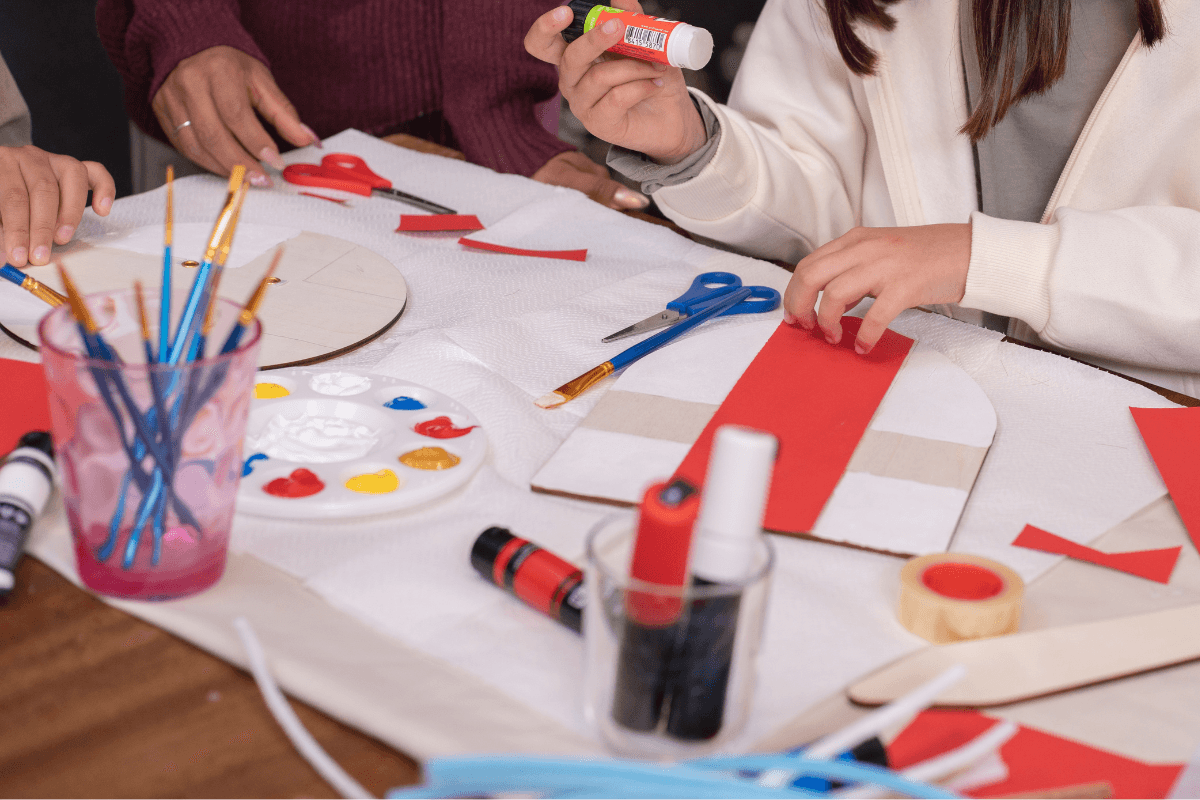
Bali is famous for its breathtaking beaches, cascading rice terraces, and aesthetic smoothie bowls. Still, for parents traveling with little ones, the island offers something even more valuable: a thriving, highly supportive community of early childhood enrichment.
If you have a busy one to three-year-old, enrolling them in a toddler sensory playgroup in Bali might just be the unexpected highlight of your trip. It’s not just about keeping them occupied while you sip a coconut; it’s about engaging their rapidly growing brains in a way that hotel room screens simply can’t.
For both expat residents and holidaymakers, finding the right Sensory Class Bali has to offer can transform your child’s day from chaotic and overstimulated to calm and constructive.
What Is a Sensory Playgroup and Why Does It Matters?
You might have heard the term floating around parent circles, but what actually happens in these classes? It is much more than just unguided “messy play.” Here are the details every parent should know about a structured sensory environment.
Understanding the Role of Sensory Play in Early Development
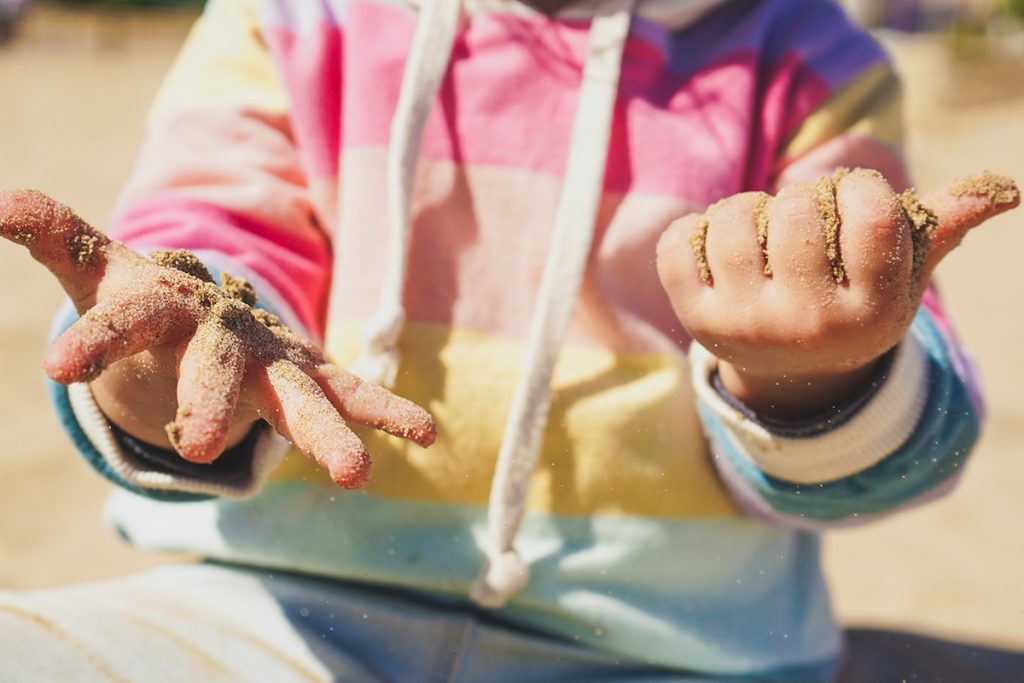
A sensory playgroup is a thoughtfully curated environment where children are safely encouraged to touch, smell, hear, taste, and see new things. From squishing naturally dyed playdough to splashing in multi-level water tables or digging through kinetic sand, these tactile activities literally build nerve connections in the brain’s pathways.
To understand the foundational concepts of these play spaces, you can read more about what a playground is and learn how structured, purpose-built environments differ dramatically from standard open play areas.
Cognitive, Emotional, and Social Benefits for Toddlers
The benefits of sensory play are massive for early development. On a cognitive level, toddlers learn cause and effect naturally like realizing that dropping a heavy wooden block in water makes a bigger splash than a feather. They also develop crucial fine motor skills, like the pincer grasp, which they will later use for writing.
Emotionally, these tactile activities are incredibly grounding and calming for anxious, tired, or overstimulated kids. Socially, playgroups in bali for toddlers offer a wonderful environment for parallel play.
This provides a safe, low-pressure space where children can observe and gently interact with their peers without the stress of forced sharing. If you want a deeper dive into these developmental advantages, check out our comprehensive guide on the benefits of playgrounds for growing minds.
Why Bali Is a Great Place for Toddler Sensory Play

You might wonder why you should seek out these messy activities on your tropical vacation rather than just playing at home. The truth is, the island’s unique atmosphere and natural resources add an extra layer of magic to the early learning experience.
Calm Environments and Natural Settings
Unlike the sterile, fluorescent-lit classrooms often found in big Western cities, a toddler sensory playgroup Bali session is typically set in beautiful semi-outdoor spaces filled with fresh tropical air and natural light.
This abundance of nature allows sensory materials to be highly localized. Imagine your child exploring bins filled with fragrant frangipani flowers, smooth banana leaves, clean volcanic sand, and organic mud, grounding your child in the local environment through tactile discovery.
Playgroups Designed with Local and International Families in Mind
Bali is a vibrant, global melting pot. These classes are expertly designed for a diverse mix of local and international families, creating a unique multicultural setting. It is a fantastic networking opportunity for you to meet other like-minded parents while your toddler learns early social adaptability alongside peers from all over the world.
Features of the Best Sensory Playgroups in Bali
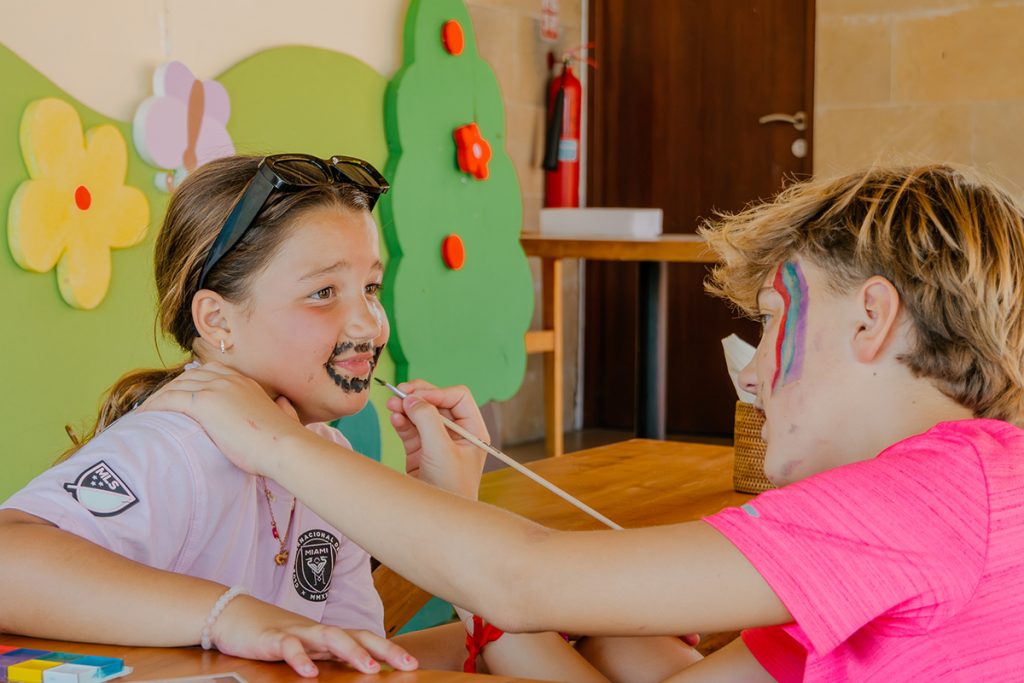
Not all classes are created equal. When searching online for a toddler sensory playgroup bali near your villa or hotel, keep an eye out for these specific quality indicators to ensure your money is well spent.
Safe, Stimulating Materials and Child-Centered Activities
The absolute best programs exclusively use non-toxic, taste-safe materials (like chia seed slime or edible food-colored paints) because toddlers naturally explore the world with their mouths.
High-quality sessions prioritize child-led exploration over rigid, teacher-led instruction. This freedom is crucial for building confidence; to understand why unstructured, child-led exploration is vital, you can read more about why playgrounds are important for fostering independence.
Guided Interaction and Free Play Balance
A truly great class strikes a perfect balance. A trained early-years facilitator should be present to gently guide the sensory experience, perhaps introducing a weekly theme like “Ocean Life Ice Rescue” or “Jungle Textures”, followed by ample free play time where the child directs their own journey at their own pace.
Top Sensory Playgroups to Try in Bali
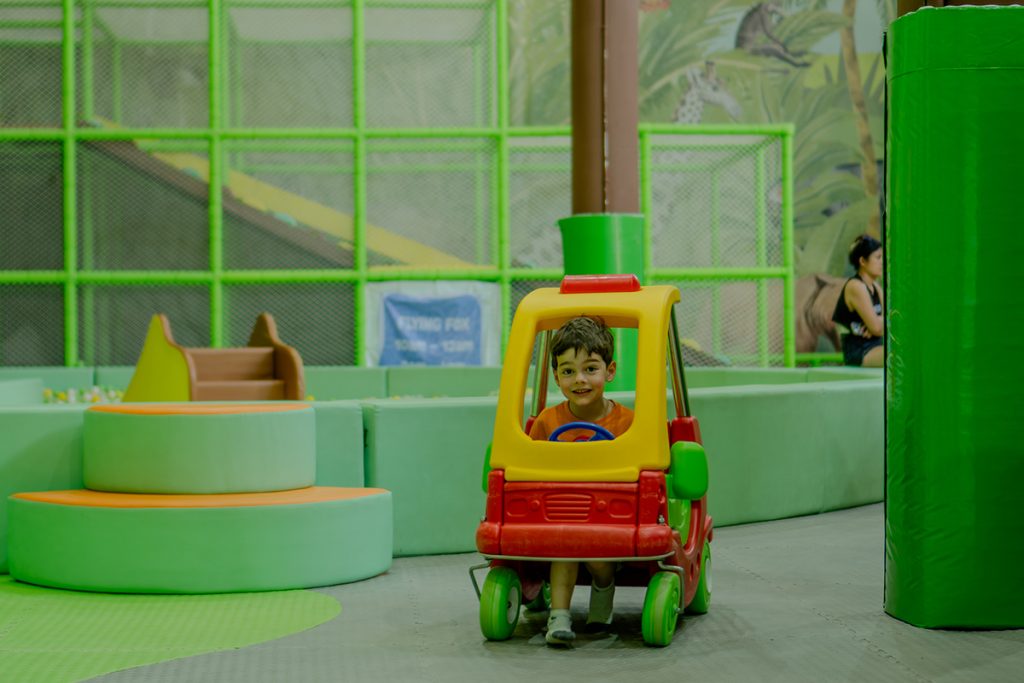
If you are ready to book a session and get your hands messy, here is what you should look for in the island’s premier spots.
Highlighting Mai Main and Similar Toddler Programs
Venues like Mai Main lead the way by seamlessly integrating dedicated sensory zones into their larger play structures. These spots are ideal because they combine structured sensory classes with expansive active play areas, allowing kids to burn off gross motor energy after their fine motor tasks.
Plus, if the weather turns tropical and it starts to pour, these comprehensive venues serve as excellent indoor activities in Bali to completely save your afternoon.
Class Schedules, Age Groups, and Booking Tips
Most top-tier Sensory Class Bali providers separate children by specific developmental stages, such as “Crawlers” (6-12 months), “Walkers” (1-2 years), and “Toddlers” (2-3 years), to ensure everyone plays safely.
- Tip: Always book in advance. Classes are kept small for quality control and sell out fast, especially during peak holiday seasons like July, August, and December. Don’t forget to pack a spare change of clothes and a wet bag!
- Schedule: Morning sessions around 9:00 AM or 10:00 AM are usually the sweet spot for toddlers to ensure they are actively engaged before the midday heat and their afternoon nap time rolls around.
Conclusion: Invest in Your Toddler’s Growth Through Play in Bali
Taking a couple of hours out of your holiday for a Toddler sensory playgroup Bali session is a wonderful investment in your child’s happiness, brain development, and your own sanity.
It provides much-needed routine, high-quality cognitive stimulation, and social connection in a beautiful, relaxed island setting. So, swap the tablet for a tub of rainbow rice, grab a coffee, and watch your toddler thrive in paradise!

